
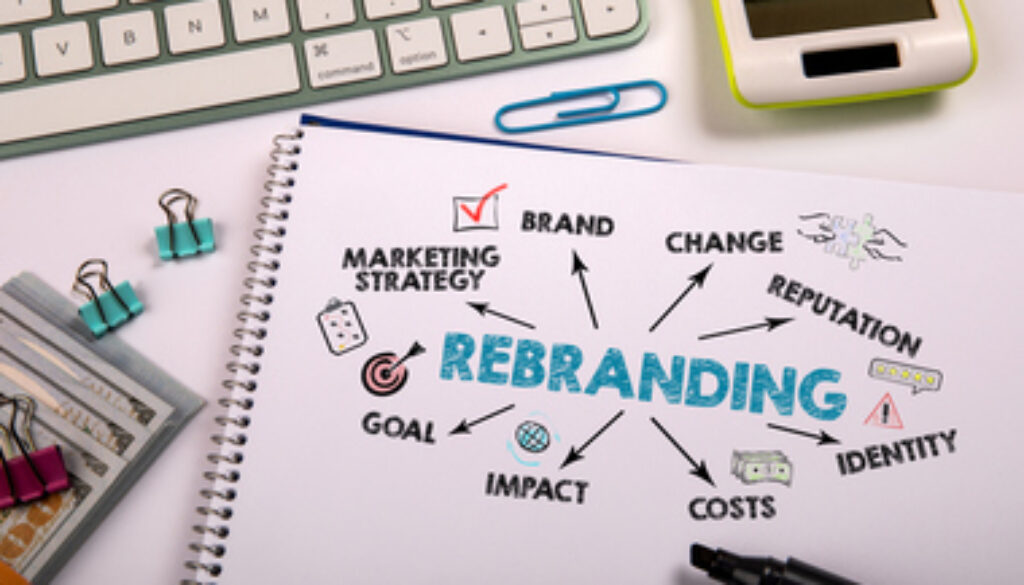
Should You Rebrand Your Business?
Rebranding involves more than just changing your company’s logo; it is a complicated process that impacts every aspect of your business. Most corporations undergo major brand updates every 7-10 years, with mixed results. For example, Apple has undergone three major changes since its launch in 1976, which doesn’t seem to have had any negative impact on the brand. One such change was dropping the word computer from its official name in 2007 to reflect a shift to marketing other products such as the iPad, iPhone and Apple TV. As Steve Jobs put it at the time, “Only one of those is a computer. So we’re changing the name.”
The iconic fashion brand Gap learned an expensive lesson to the tune of $100 million about rebranding. Gap had a highly recognizable logo that firmly established the brand in the minds of consumers for some 20 years. At the time, the company believed that the new logo was a more contemporary expression of the company brand. Unfortunately, it was wrong, receiving immediate backlash from customers who rejected the new logo. Within a week, Gap reverted to the original, familiar logo.
Take a closer look
Since there is so much riding on the decision to rebrand, companies need to be laser focused on the reasons why rebranding is necessary in the first place. Here are some things you may want to consider before undergoing the rebranding process:
- Start with a brand audit to determine the strengths and weaknesses of your company. You will also want to look at the threats and opportunities represented by the competition. Determine what new mission, values and consumers you want to reach with the rebranding. The original mission of the brand has probably evolved over time and is no longer relevant to the present goals. A brand strategy shapes every subsequent decision and, without a cohesive plan, the results can be costly.
- Make sure your company is committed to the time and expense associated with rebranding. Decide whether what your brand needs is a minimal refresh, a repositioning or a complete rebranding. For example, a small-business brand refresh can take three to four months and cost anywhere from $50,000 to $100,000. A repositioning or complete rebranding will cost substantially more.
- Rebranding is usually driven by the business’s desire to grow by broadening its product’s or service’s appeal to a wider market. Once the new mission has been identified, it is time to create a strategy that moves the company from the original brand to the new one. You will want to incorporate many of the successful features of the established brand into the rebrand, including product labels, marketing materials and website/digital media, so that the consumer is not confused by the change.
- As you go through the process, make sure you gather feedback from your customers and employees along the way. Listen to their objections and make appropriate adjustments until the rebranding reflects who you are as a company.
Rebranding has the potential to reenergize a brand with a new identity to drive growth and to ensure the business is ready to meet the challenges of a competitive marketplace. The balancing act in rebranding is to not alienate loyal customers while attracting a wider target group.
©YC Partners 2026